
Partnering for Equitable Innovation in Healthcare
We work with universities, research institutions, and healthcare providers to co-develop, produce, and scale accessible medical technologies in low-resource settings.

01
Accessible Medical Technologies
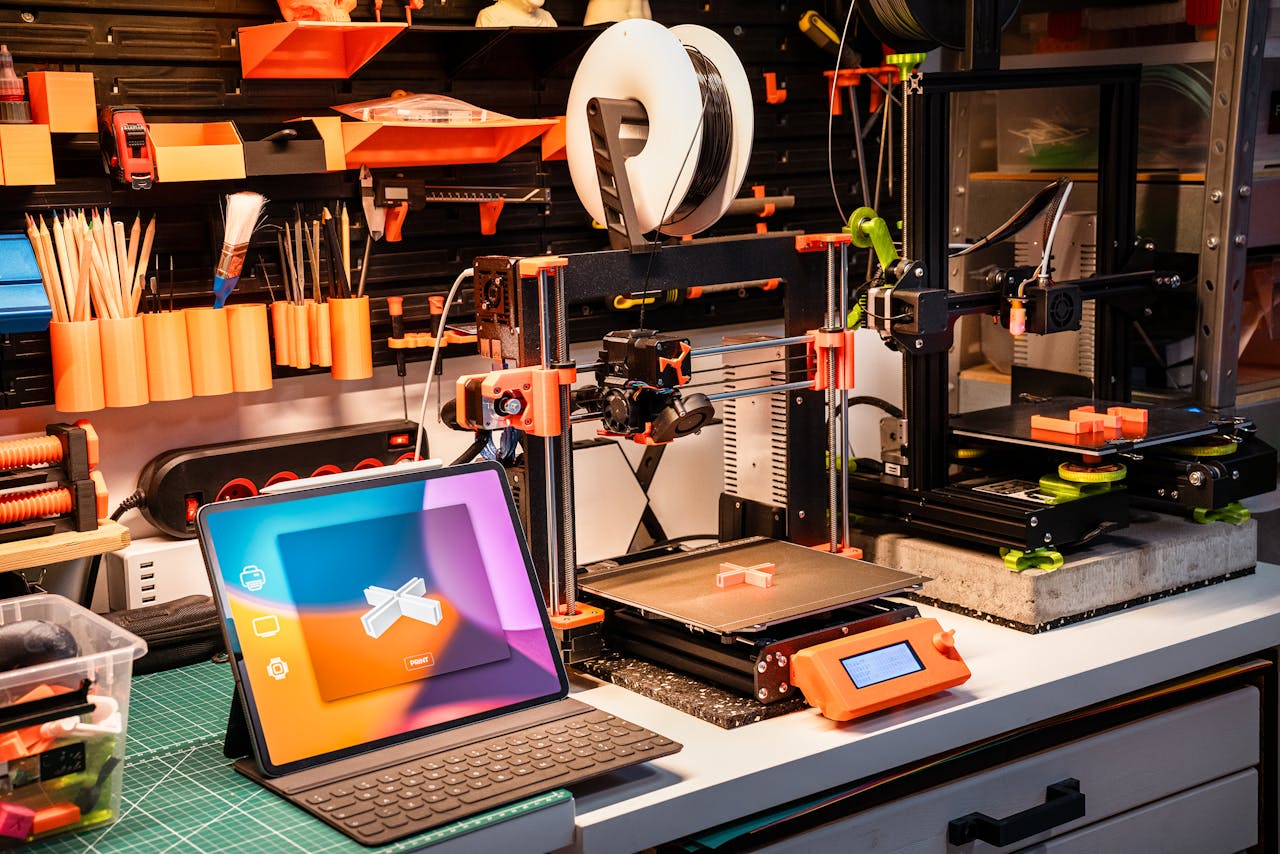
Developing context-driven medical technologies for real-world healthcare environments
We co-develop medical devices tailored to the realities of underserved healthcare systems. Our current projects include a neonatal phototherapy unit being piloted in the Republic of the Congo, demonstrating how context-driven design can deliver high-impact solutions with minimal cost.
Beyond a single device, our approach focuses on creating technologies that are locally manufacturable, repairable, and adaptable over time. Each project is designed not only to function in low-resource environments, but to be integrated into local production and maintenance systems from the outset.
This model allows us to move from isolated interventions toward a scalable portfolio of accessible medical technologies.
02
Collaborative Engineering
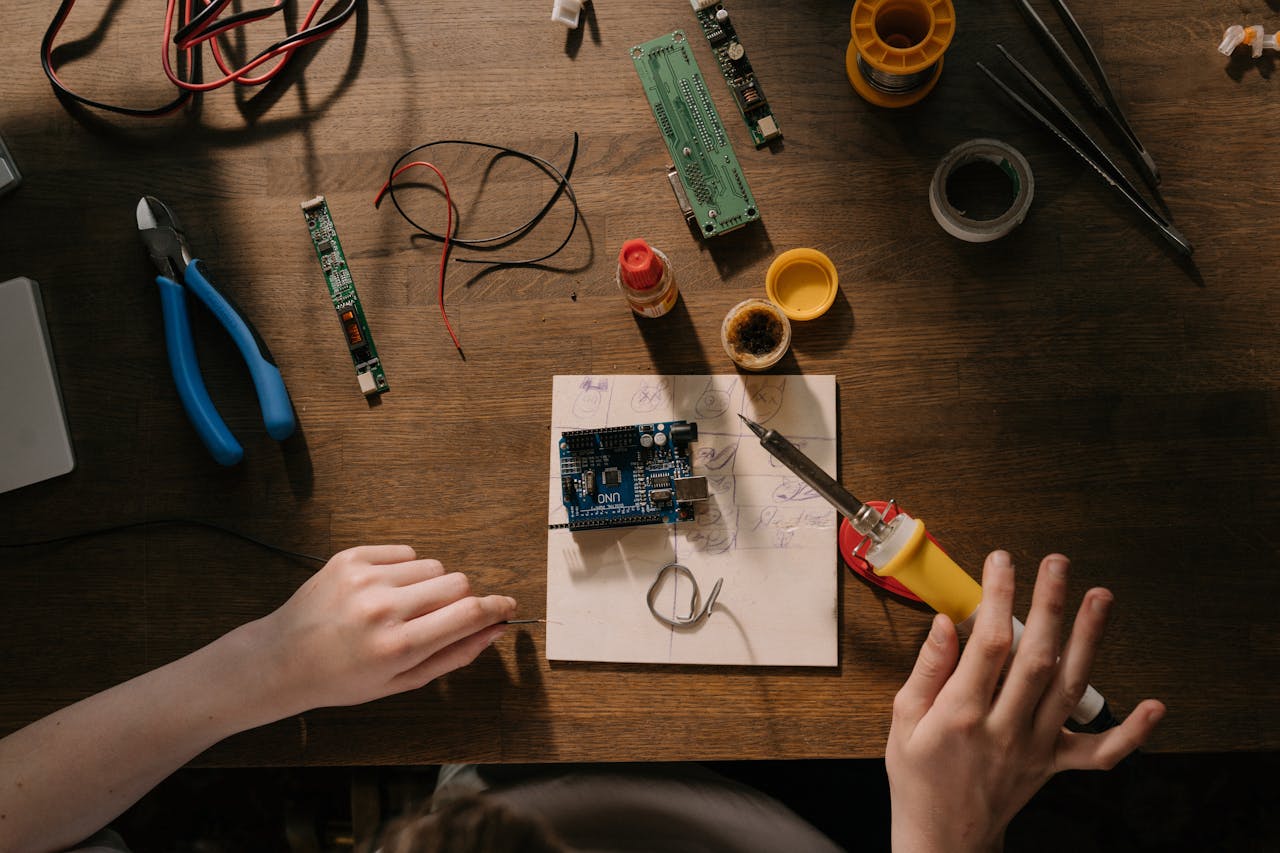
Connecting global expertise with local knowledge to build relevant solutions
We bring together engineers, students, researchers, and healthcare professionals across regions to co-develop medical technologies in real time. Our work is structured around collaborative design, rapid iteration, and continuous feedback from clinical and local partners.
Rather than developing technologies in isolation, we integrate local context directly into the engineering process — ensuring that devices are not only technically effective, but also usable, maintainable, and aligned with existing healthcare systems.
This collaborative framework enables us to develop solutions that can evolve over time, while also laying the foundation for broader, distributed innovation networks.
03
Capacity Building
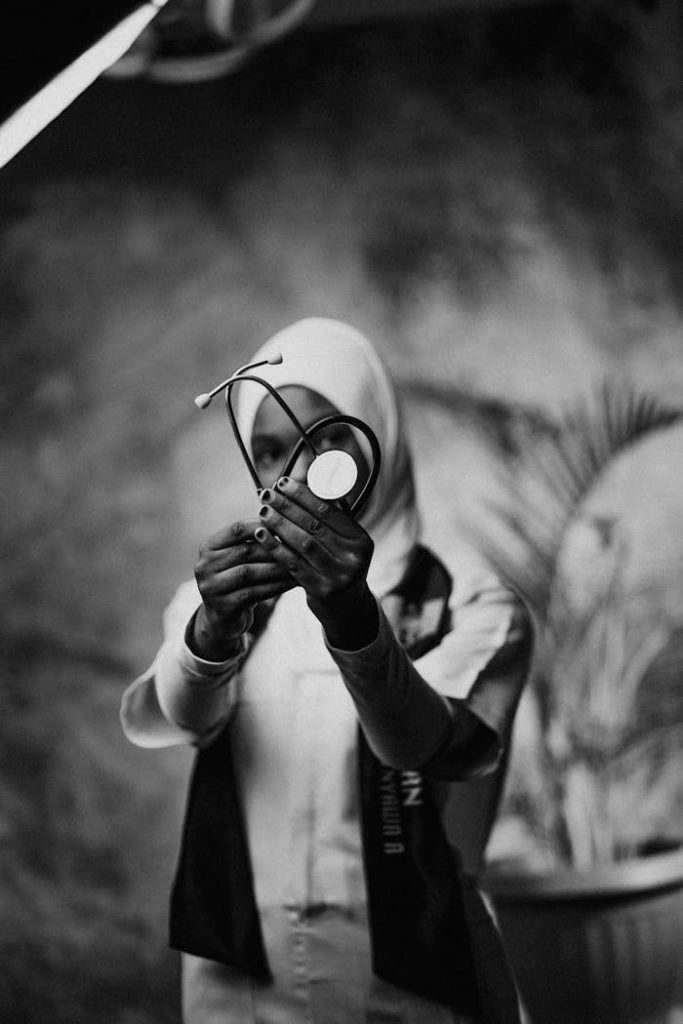
Building the foundation for locally driven innovation
A core part of our work is supporting local technical capacity. We collaborate with universities and training institutions to involve students and early-stage engineers directly in the design, production, and testing of medical devices.
In Brazzaville, for example, we are currently supporting Master’s students in engineering who are actively contributing to the development and refinement of our phototherapy unit. Through this process, participants gain hands-on experience in applied biomedical engineering, manufacturing, and system design.
Our goal is to move beyond dependency on external technology by enabling local ecosystems of innovation — where devices can be produced, maintained, and improved within the communities they serve.